


Addressing Sciatic Pain:
Start Early for Best Results
Lower back pain is bad enough. Now imagine that pain radiating down through your buttocks and into your leg. Maybe your leg becomes numb. Maybe the pain is so bad that you can barely walk!
For people with sciatica, this nightmare scenario is a reality. Sciatica is a type of lumbar radiculopathy (i.e., nerve pain) resulting from damage or irritation to the sciatic nerve, which runs from your lower back down the back of your leg. It affects between 1% – 5% of the population.
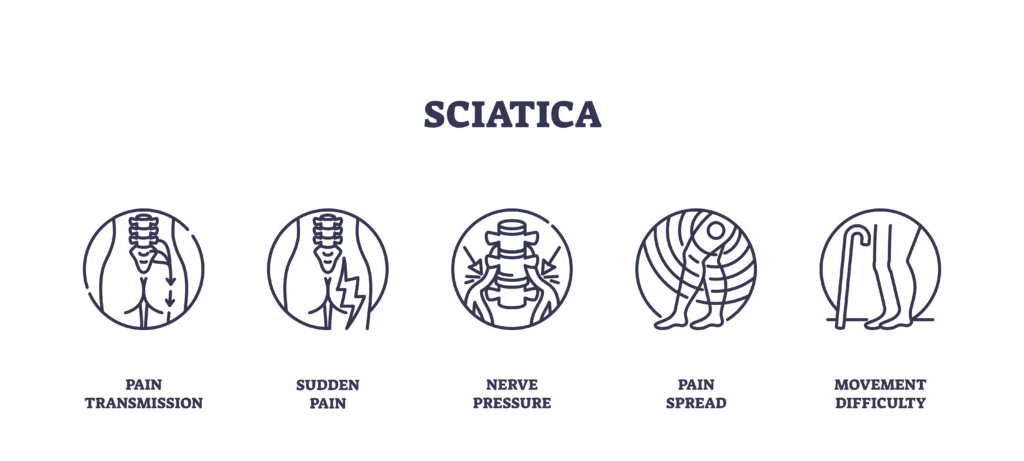
Sciatica can be debilitating. In addition to intense pain, it severely limits your mobility — some people may struggle to get around at all. And because it results from nerve damage, it can also cause numbness, tingling, and other sensations in the leg.
The good news is that physical therapy at ELEVATE Physical Therapy is one of the best treatment options for addressing sciatic pain. Unlike pain medication, it doesn’t simply mask the symptoms — it seeks to resolve the underlying cause of your sciatic pain so that you have lasting relief.
Are you ready to say goodbye to sciatic pain for good? Call us to set up your initial evaluation today — and let us get to the root of your sciatica!


When Should I See a Physical Therapist About Sciatica?
As with most musculoskeletal pains, sooner is better! Many people try to ride out sciatic pain by taking pain medication and resting — which can actually be counterproductive and further worsen the underlying cause of your sciatica. By seeking out an early intervention, you can start feeling better faster.
You should also pay attention to changes in the severity of your pain or shifting sensations in your back and leg. Because sciatica is caused by pressure on the sciatic nerve, these changing symptoms can indicate something is happening to the nerve.
What are some of the specific symptoms of sciatica you should watch out for?
- Pain in the lower back, buttocks, and leg. (Sciatica usually only affects one leg at a time.) This pain might be dull, throbbing, aching, shooting, sharp, etc. Remember to pay attention to changes in sensation!
- Numbness or tingling in the back, buttocks, or leg
- Restricted range of motion in the back. You might struggle to twist, bend, or stand up straight.
- Walking with a limp
- Increased pain in the morning or after remaining in one position for an extended period
One symptom you absolutely shouldn’t ignore is any kind of incontinence when paired with sciatic pain. This indicates a serious medical emergency that may require surgical intervention — but our physical therapists will be here waiting to help you with rehabilitation!
Fortunately, such incidents are rare. In most cases, regular physical therapy is enough to resolve sciatic pain.
Physical Therapy: Frontline Treatment for Sciatica
One of the reasons physical therapy is so effective for sciatic pain is that it focuses on resolving the underlying cause. When you come in for your appointment, our therapists will perform a comprehensive evaluation to help us determine what might be irritating, pinching, or compressing your sciatic nerve.
We’ll ask you to share details about your symptoms, such as when they started and the exact sensations you’re experiencing (i.e., dull pain, shooting pain, numbness). We’ll also perform several movement screens that give us a complete picture of your situation. We might check the following:
Overall Mobility
Assessing how well your body moves helps us identify restrictions that may be contributing to your symptoms.
Muscle Weakness & Activity
Evaluating muscle strength and activation patterns helps us understand whether weakness or imbalances are affecting your spine and nervous system.
Nerve Activity
Specific testing helps us determine how the sciatic nerve is functioning and whether it is being irritated or compressed.
Posture, Balance & Gait
Looking at posture, balance, and walking mechanics provides valuable insight into the factors driving your pain.
Developing a Customized Treatment Plan
Once we understand what’s causing your sciatic pain, we’ll develop a customized treatment plan to address that cause. The most common cause of sciatica is a lumbar herniated disc.
Understanding Lumbar Herniated Discs
Nestled between each vertebra in your spine is a vertebral disc, a soft cushion of cartilage that protects the vertebrae from rubbing against each other. If one of those discs becomes damaged — either because of a sudden injury or age-related degeneration — they can rupture or bulge, irritating the nearby sciatic nerve.
Addressing the Source of Your Sciatica
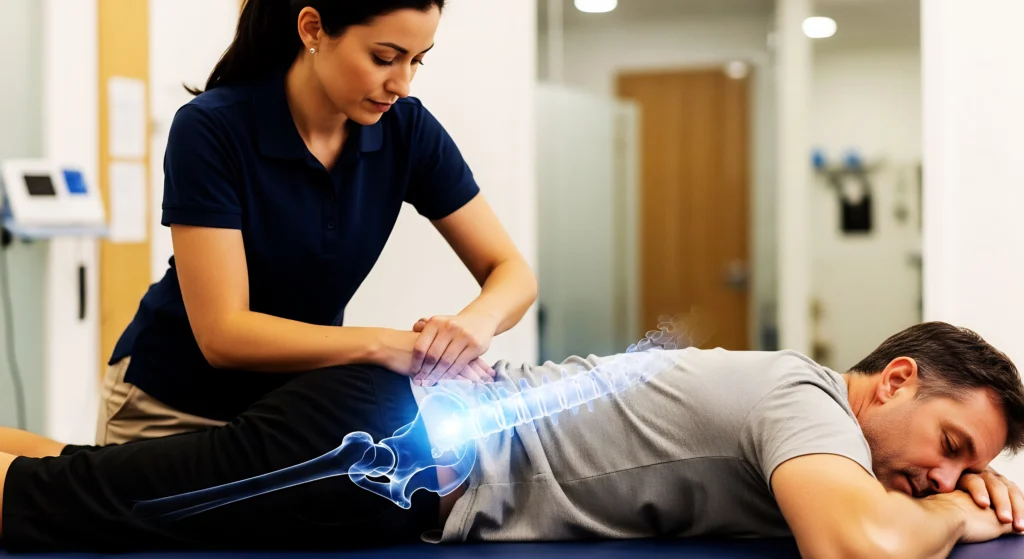
By addressing your herniated disc, you can resolve your sciatica. For most people, that means a targeted, progressive therapeutic exercise program paired with pain management techniques such as manual therapy.

Don’t Let That Sciatic Pain Linger: Make Your Appointment Today!
Sciatica can dramatically impact your overall quality of life. Early intervention with ELEVATE Physical Therapy will ensure you say goodbye to sciatic pain for good. If you’re experiencing any possible sciatica symptoms, call today to make your appointment!
Meet Our Team




How EMG/NCS Testing Can Help Identify the Source of Sciatic Pain
If you’re struggling with sciatica, you want relief fast. But until you know what’s irritating your sciatic nerve, you’ll never be able to fully resolve your pain. While a herniated disc is often the culprit, it’s important to identify the true source of your symptoms so our multidisciplinary team can recommend the most appropriate treatment approach.
Why Testing Matters
The underlying cause of your sciatic pain determines the best treatment plan. Diagnostic tools such as EMG and NCS testing help provide clear information about how your nerves and muscles are functioning so we can better understand what’s contributing to your symptoms.
Getting Answers Faster
Rather than relying on assumptions, EMG/NCS testing helps confirm whether nerve irritation is present and provides valuable information that guides your care plan and next steps toward relief.
EMG/NCS Testing: A Quick Overview
These two studies are commonly performed together and provide complementary information about your muscles and nerves.
Electromyography (EMG)
An EMG measures the electrical activity of your muscles. During the procedure, a diagnostic specialist inserts a small needle electrode into the muscle and asks you to contract and relax it while the electrical activity is recorded.
Nerve Conduction Study (NCS)
An NCS measures how quickly electrical signals travel through your nerves. Small electrodes are placed on the skin, and a gentle electrical pulse is used to collect information about nerve function.
Working Together
EMG and NCS testing are typically performed together to provide a more complete picture of how your nerves and muscles are functioning.
Supporting Treatment Decisions
Together, these studies can help confirm whether a herniated disc is contributing to your sciatic symptoms, allowing the team at ELEVATE Physical Therapy to move forward with the most appropriate treatment program.
Schedule Your EMG/NCS Test Today
A simple test might be all you need to get to the root of your sciatica pain. By identifying exactly what’s causing your symptoms, we can develop a targeted plan to help you move more comfortably and confidently.
Why Hitting the Beach Is More than Just Fun in the Sun
Planning a beach trip this summer? Beyond the sunshine and relaxation, the beach offers plenty of opportunities to stay active and support your overall health. Here are a few simple ways to turn your beach day into a fitness opportunity.
Walk on the Sand
Walking is already a great form of exercise, but sand adds an extra challenge. The uneven surface creates resistance that can help strengthen the muscles in your legs while improving balance and stability.
Splash in the Waves
Even if swimming isn’t on your agenda, spending time moving through the water can provide a great workout. Water creates natural resistance, causing your muscles to work harder during simple movements.
Relax and Recharge
Time spent outdoors can help reduce stress and promote overall well-being. Take a few moments to enjoy the sights, sounds, and fresh ocean air while practicing deep breathing and mindfulness.
One-Pan Chicken & Vegetables
This simple one-pan meal combines lean protein and colorful vegetables for a nutritious, balanced dinner with minimal cleanup. It’s packed with flavor, easy to customize, and perfect for busy weeknights.

Ingredients
- 4 boneless, skinless chicken breasts
- 2 cups broccoli florets
- 2 bell peppers, sliced
- 1 zucchini, sliced
- 1 red onion, cut into wedges
- 2 tbsp olive oil
- 1 tsp garlic powder
- 1 tsp paprika
- Salt and pepper to taste
- Fresh parsley for garnish (optional)
Directions
- Preheat oven to 400°F (205°C).
- Arrange chicken breasts and vegetables on a large sheet pan.
- Drizzle everything with olive oil.
- Season with garlic powder, paprika, salt, and pepper.
- Toss vegetables to coat evenly and spread into a single layer.
- Bake for 25–30 minutes, or until chicken reaches an internal temperature of 165°F.
- Garnish with fresh parsley if desired and serve immediately.
Healthy Tip
Swap in your favorite seasonal vegetables such as asparagus, Brussels sprouts, carrots, or green beans. Making half your plate vegetables is an easy way to boost fiber, vitamins, and minerals while supporting overall health.