


How Physical Therapy Can Help with Rotator Cuff Injuries
Imagine waking up one morning, eager to start your day, but as you attempt to brush your teeth, the pain in your shoulder sends a searing wave of discomfort through your entire arm. Suddenly, the simplest tasks become challenging.
This scenario is all too familiar for individuals dealing with rotator cuff injuries, which can severely limit daily life functions. However, there is hope in the form of physical therapy—a proven and effective way to regain strength, mobility, and overall shoulder function.
At ELEVATE Physical Therapy, our physical therapists are highly trained and understand how important it is to resolve your shoulder pain. We’ll identify the contributing factors, address your specific movement limitations, and provide clear guidance to help you recover sooner rather than later!
Contact our skilled team of physical therapists today and get started on your road to recovery!

The Impact of a Shoulder Injury
Rotator cuff injuries can disrupt your life in many ways, affecting your physical abilities and overall well-being in ways that aren’t immediately obvious until routine tasks become difficult or unpredictable.
For example, something as simple as putting dishes away in an overhead cabinet or washing your hair might feel painful or restricted. Getting dressed may require extra time and strategy, especially when pulling on a shirt or fastening a bra. At work, tasks such as typing, lifting files, or carrying a bag might trigger symptoms, leaving you feeling frustrated.
One of the biggest impacts, however, is that pain from a rotator cuff injury can often lead you to scaling back on overall physical activity, which only further reduces mobility and increases symptoms.
Fortunately, working with the team at ELEVATE Physical Therapy can address these challenges directly, which is why physical therapy can be such a game-changer for rotator cuff injuries!

The Role of ELEVATE Physical Therapy in Your Recovery
When you consult a physical therapist for a rotator cuff injury, the initial evaluation is a critical step in the recovery process. Here’s what you can expect during your rehabilitation journey and how a customized treatment approach helps restore shoulder strength, mobility, and function.
Comprehensive Medical Review
Your physical therapist will start by discussing your medical history, including the onset and nature of your shoulder pain, any previous injuries, and your overall health.
Detailed Physical Examination
A thorough physical examination follows, focusing on the affected shoulder. This includes assessing your range of motion, strength, and any signs of tissue irritability or instability.
Functional Movement Assessment
To understand how your injury impacts your daily life, your therapist will assess your ability to perform essential tasks like reaching, lifting, and dressing.
Diagnosis & Goal Setting
Based on the evaluation findings, your physical therapist will provide a diagnosis and work with you to establish clear goals for your rehabilitation.
Your Customized Treatment Plan
Next, your therapist will design a rehabilitation program tailored to your unique needs and recovery goals.
Manual Therapy
Physical therapists often use manual therapy techniques, including joint mobilizations and soft tissue mobilizations, to alleviate pain and improve shoulder mobility. These techniques have been shown to reduce pain and enhance range of motion in individuals with rotator cuff injuries.
Therapeutic Exercises
A customized exercise program is a cornerstone of rotator cuff rehabilitation. Therapists prescribe a progressive loading program that builds the capacity of your shoulder tissues to handle the demands of your daily life.
Home Exercise Programs
Physical therapists provide patients with home exercise programs to promote continuity of care. Consistent adherence to these programs can improve rotator cuff rehabilitation outcomes.
Patient Education
Understanding the injury and learning how to prevent future problems is crucial. Our physical therapists educate patients on how to gradually increase the amount and frequency of their activities to reduce re-injury risk.
Functional Training & Long-Term Recovery
As you continue to progress in your recovery, functional training becomes vital. Tasks like lifting, reaching, and carrying are integrated into the rehabilitation program to ensure you regain your ability to perform daily activities without pain or limitation.
Discover the Benefits of Physical Therapy for the Rotator Cuff
If you’re dealing with the challenges of a rotator cuff injury, don’t let it limit your life any longer. Seek the expertise of one of our highly skilled physical therapists who can provide a personalized treatment plan based on your unique needs and goals. Your path to regaining strength, mobility, and a pain-free shoulder begins with a simple but crucial step: reaching out to us today!
Meet Our Team




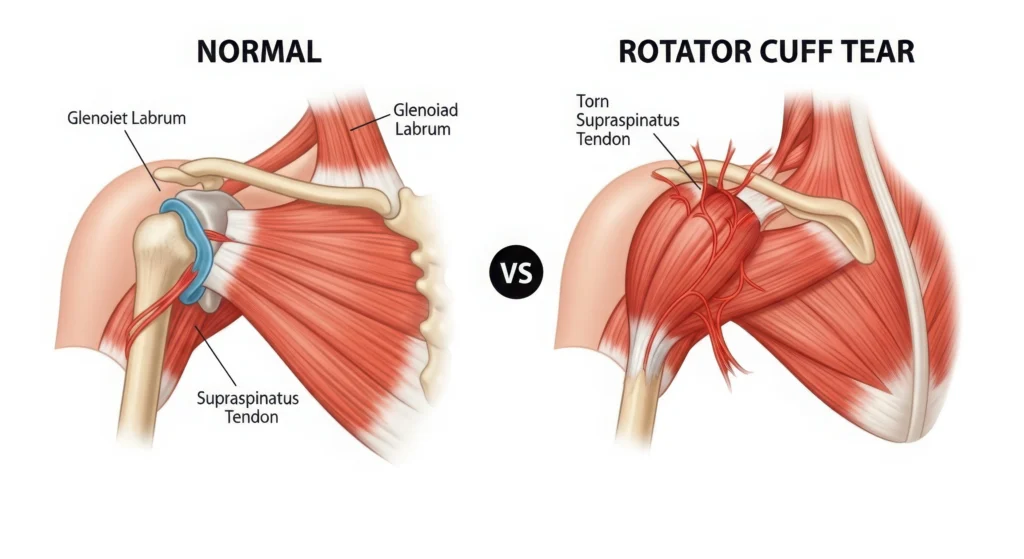
Understanding Rotator Cuff Injuries: Signs and Symptoms
If you’ve been experiencing shoulder pain or discomfort, it’s essential to understand the signs and symptoms of a potential rotator cuff injury. By recognizing these indicators, you can take the crucial first step toward seeking appropriate care and beginning your recovery journey.
Disturbed Sleep
Rotator cuff pain often worsens at night, interfering with sleep. Sleeping on the affected side can be particularly uncomfortable.
Weakness
Individuals with a rotator cuff injury may experience weakness in the affected shoulder, making it challenging to perform tasks that require lifting, reaching, or holding objects.
Limited Range of Motion
Reduced mobility in the shoulder is a common symptom. You may struggle to raise your arm, reach behind your back, or perform overhead activities.
Difficulty with Daily Activities
Rotator cuff injuries can impact daily tasks such as combing hair, dressing, and reaching for items on high shelves. It can also affect sports and recreational activities.
Gradual Onset
Some rotator cuff injuries develop gradually over time due to overuse, while others may result from a sudden injury or trauma, such as a fall or lifting heavy objects.
Take the First Step Toward Recovery
It’s essential to seek help from one of our ELEVATE Physical Therapy specialists if you experience any of these symptoms, as early intervention can lead to more effective treatment and improved outcomes. Our physical therapists can assess your shoulder and tailor a treatment plan to address your specific needs and goals.
Grilled Chicken & Avocado Power Bowl
Packed with lean protein, healthy fats, fresh vegetables, and whole grains, this colorful lunch bowl is designed to keep you energized throughout the day. It’s quick to prepare, nutrient-dense, and perfect for a balanced midday meal.

Ingredients
- 2 grilled chicken breasts, sliced
- 1 cup cooked brown rice or quinoa
- 1 avocado, sliced
- 1 cup cherry tomatoes, halved
- 1 cup cucumber, diced
- 1 cup mixed greens
- 2 tbsp olive oil
- 1 tbsp fresh lemon juice
- Salt and pepper to taste
Directions
- Cook the brown rice or quinoa according to package directions.
- Season and grill the chicken until fully cooked, then slice.
- Arrange the greens, rice, tomatoes, cucumber, and avocado in bowls.
- Top with grilled chicken slices.
- Whisk olive oil, lemon juice, salt, and pepper together for dressing.
- Drizzle dressing over the bowls and serve immediately.
Healthy Tip
Add roasted chickpeas or pumpkin seeds for extra crunch and fiber. This meal also works great for weekly meal prep and can be stored in the refrigerator for up to three days.