Are you struggling with limited mobility after total joint replacement surgery? Don’t worry; you’re not alone. At some point, many of us may undergo joint replacement surgery due to conditions like arthritis, injury, or wear and tear. But the good news is that with physical therapy for total joint replacement recovery, you can regain your mobility and enjoy a pain-free life again.
Imagine this: Chris, a dedicated runner and active individual, loved spending time outdoors. However, persistent knee pain brought his active lifestyle to a halt. Simple tasks like climbing stairs or walking around the block became excruciating. After many frustrating months, Chris decided to undergo total knee replacement surgery and seek physical therapy for recovery.
Ready to get started with physical therapy for total joint replacement recovery? Call our team at ELEVATE Physical Therapy in Brevard, NC, and Franklin, NC today to learn more!
Understanding Joint Pain and Total Joint Replacement Post-Op Challenges
After total joint replacement surgery, individuals like Chris may experience several challenges and symptoms.
Common Post-Operative Challenges
Swelling
- Following surgery, swelling around the joint is common and can persist for several weeks. This swelling may lead to discomfort and limited mobility, making it challenging to perform daily activities.
Stiffness
- Post-op stiffness is another common symptom, especially in the early stages of recovery. Stiffness can affect the range of motion in the joint, making it challenging to perform simple movements like bending or straightening the affected limb.
Pain
- Pain is a prevalent symptom after total joint replacement surgery and can vary in intensity from mild discomfort to severe pain. Pain may occur during rest and movement, affecting the individual’s quality of life.
Difficulty Bearing Weight
- Some individuals may find bearing weight on the affected joint after surgery difficult. Difficulty bearing weight can lead to an altered gait pattern and may require assistive devices such as crutches or a walker during the early stages of recovery.
Causes of Joint Pain:
Osteoarthritis
- Osteoarthritis is the most common form of arthritis and reason for total joint replacement surgery. It occurs when the protective cartilage cushioning the ends of the bones wears down over time, leading to pain, stiffness, and decreased mobility. Chris’s knee pain was caused by osteoarthritis, a degenerative joint condition that resulted from years of wear and tear on his knee joint.
Rheumatoid Arthritis
- Rheumatoid arthritis is an autoimmune disorder that causes joint inflammation, leading to pain, swelling, and stiffness. Over time, this inflammation can damage the joint, necessitating surgical intervention.
Injury
- Traumatic injuries to the joint, such as fractures or ligament tears, can sometimes lead to irreversible damage, necessitating joint replacement surgery to restore function and alleviate pain.
Treatment Methods to Support Your Recovery
Recovering from total joint replacement surgery involves a comprehensive approach that encompasses various treatment methods tailored to your individual needs. You may have several strategies and techniques utilized to support your recovery. Discover some of the techniques and strategies we utilized in Chris’s situation.
Physical Therapy Techniques for Total Joint Replacement Recovery
Range of Motion Exercises
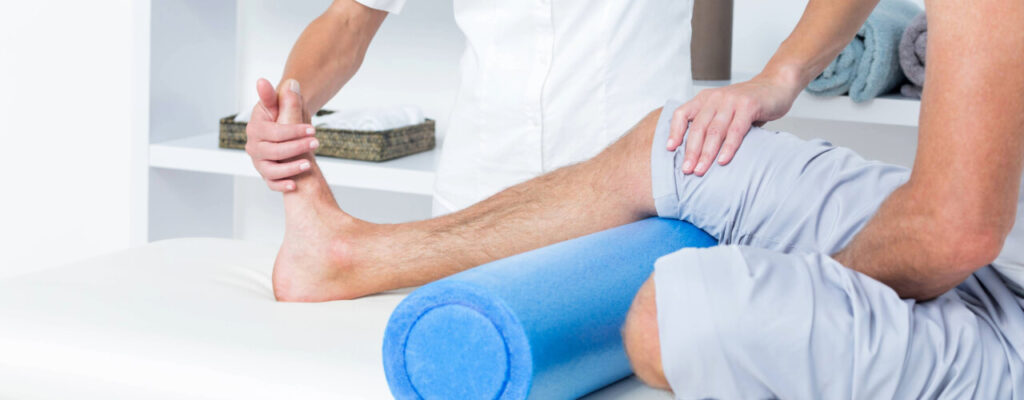
- Chris performed a range of motion exercises under the guidance of his physical therapist, gradually regaining flexibility in his knee joint.
Strength Training
- During Chris’s therapy sessions, he engaged in strength training exercises targeting the muscles surrounding his knee joint to improve its stability and function.
Bracing
- Orthopedic braces or splints may be used for support and stability of the joint during the initial stages of recovery. During the early phases of Chris’s rehabilitation, he used a knee brace to stabilize his joints and prevent excessive movement.
Joint Protection Techniques
- Chris received guidance from his physical therapist on adopting joint protection techniques, such as avoiding activities that place excessive strain on his knee joint.
Activity Modification
- With the support of his therapy team, Chris modified his daily activities to avoid excessive bending or twisting motions that could impede his recovery.
Reclaim Your Mobility: A Journey of Recovery with Total Joint Replacement
As you consider your own journey toward recovery, remember that you’re not alone. Our dedicated team at ELEVATE Physical Therapy is here to walk alongside you every step, providing compassionate care, expert guidance, and effective treatment strategies to support your post-op rehabilitation goals.
Contact us today to learn more about how physical therapy for total joint replacement can empower you on your journey toward recovery.
Tags: mobility improvement, total joint replacement, knee replacement recovery, pain management